Additions
Choosing Austin ADU Builders: What to Look For and How the Process Works
An accessory dwelling unit can add flexible living space to your property, but the result depends heavily on the builder you choose. Comparing Austin ADU builders means looking beyond a portfolio photo: you want a team that handles design, site evaluation, permitting, and construction as one coordinated process.
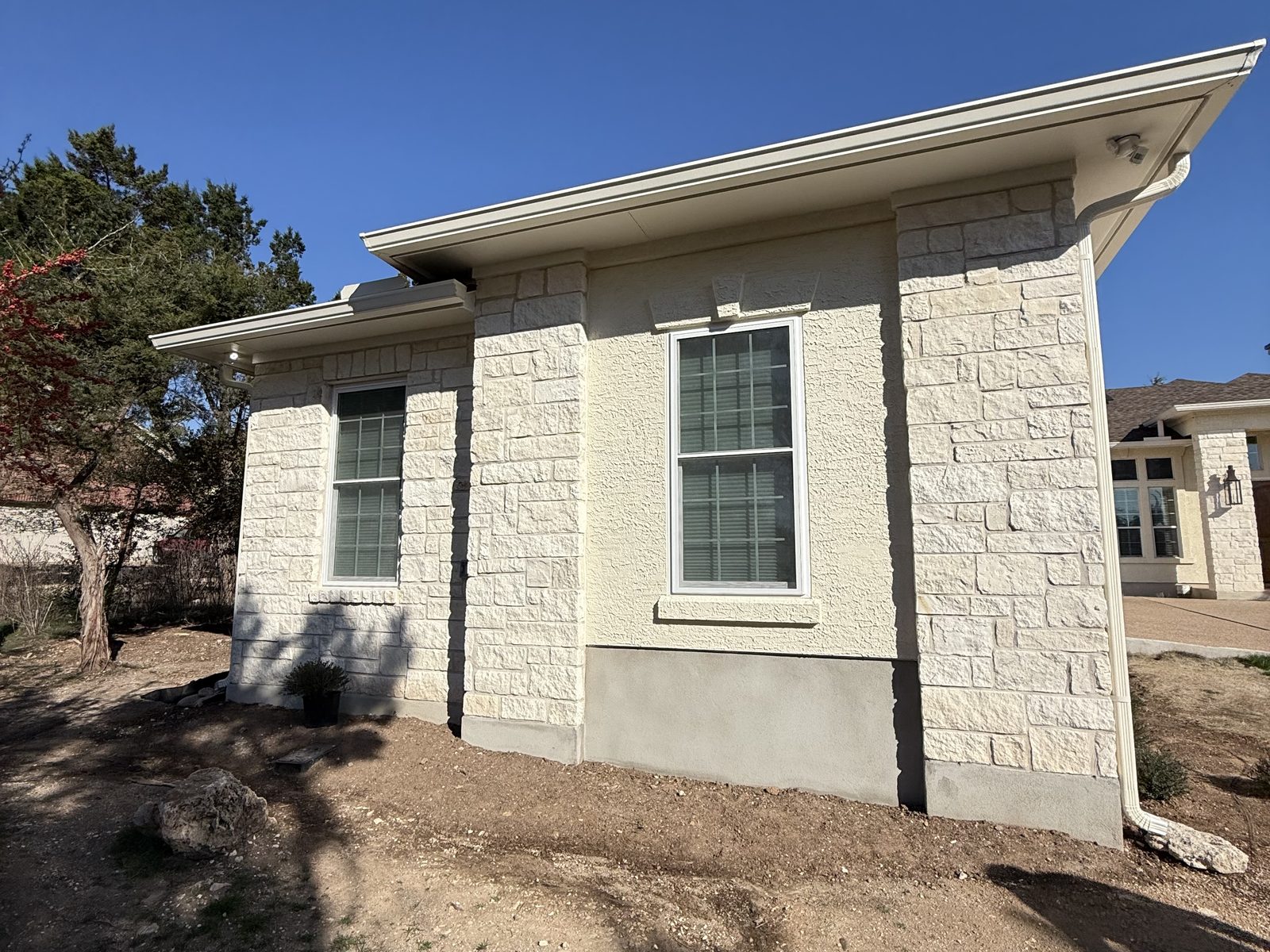
Choosing Austin ADU Builders: What to Look For and How the Process Works | Austin, TX | Brightline Remodeling
Whether you are planning a garage conversion, a detached backyard unit, or an attached addition, the early decisions shape everything that follows. This guide explains what an ADU is, how to evaluate builders, how the process unfolds step by step, and which questions to ask before you sign anything. It offers general guidance only — always confirm the rules that apply to your specific property.
Table of Contents
What an ADU Is and Common Types
An accessory dwelling unit is a smaller, independent living space on the same lot as a primary home. It typically includes its own kitchen, bathroom, and sleeping area, which makes it suitable for family members, guests, or a dedicated workspace. Because it functions as a self-contained home, an ADU involves more systems and planning than a simple room addition.
The three most common approaches are a garage conversion, a detached backyard unit, and an attached addition. A garage conversion reuses an existing structure, which can simplify some parts of the work while introducing others, such as insulation, moisture control, and ceiling height. A detached backyard unit is built new and offers the most privacy and layout freedom. An attached addition shares a wall with the main home and can simplify utility connections. Our ADU construction service page describes how these options are evaluated for Austin properties.
How to Choose Austin ADU Builders
Start by confirming that the builder actually offers ADU design and construction, not just general remodeling. An ADU touches structure, plumbing, electrical, and sometimes separate utility planning, so you want a team comfortable with the full scope. Ask whether they begin with a site evaluation: access, drainage, existing utilities, and the condition of any structure being converted all affect what is feasible on your lot.
Ask about drawings and permitting experience in Austin specifically. A builder who regularly prepares plans and navigates local review will spot constraints earlier than one learning as they go. Request a written scope that identifies what is included, what is excluded, and how changes are handled. Finally, pay attention to communication: who will be your point of contact, how often you will receive updates, and how questions are answered during construction. Comparing Austin ADU builders on these points is more useful than comparing portfolios alone.
The ADU Process Step by Step
The process usually begins with a consultation, where you describe your goals, the property, and how you intend to use the unit. Next comes a site and feasibility review: the builder examines access, setbacks, existing structures, and utility locations to determine which ADU type fits the lot. This is the stage where unrealistic ideas are corrected before they become expensive ones.
Design follows, turning the feasibility findings into drawings and a written scope with material selections. Permitting comes next, with the necessary documents prepared and submitted for review. Construction then proceeds through foundation or conversion work, framing, systems, insulation, drywall, and finishes. The project closes with a final walkthrough, where you review the completed unit and note any remaining details. For projects that grow beyond a detached unit, our home additions service covers attached expansion work, and our Spicewood remodeling guide explains how larger projects are planned room by room.
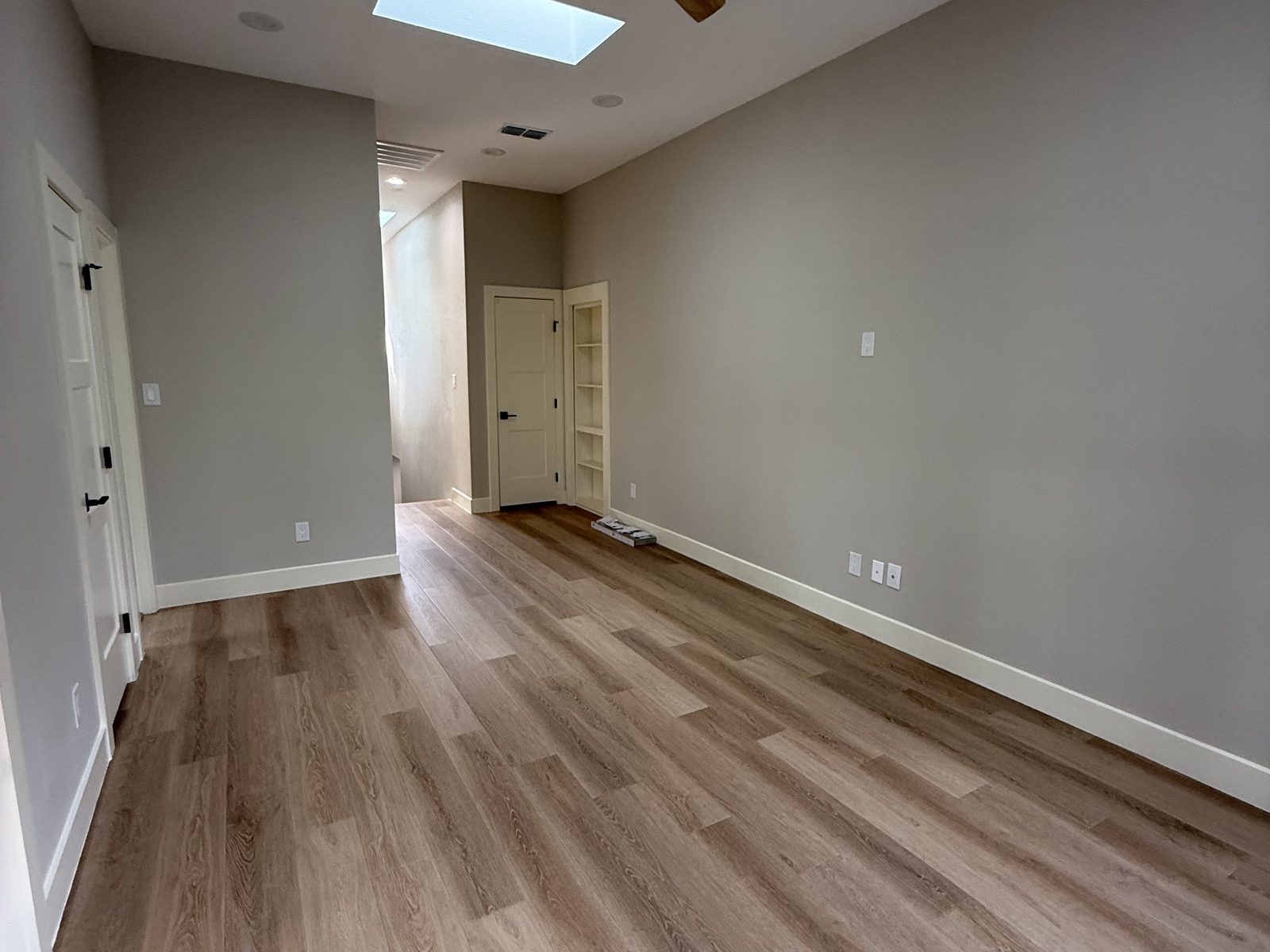
Design Considerations for an ADU
Privacy works in both directions: the ADU's windows, doors, and outdoor space should be positioned with the main home in mind, and vice versa. Think about sightlines between the two buildings, where entries face, and how each household will use the yard. A separate, clearly defined access path to the unit avoids daily traffic through the main home's space.
Utilities deserve early attention. Water, sewer, and electrical service may be shared with the main home or separately metered, and the right arrangement depends on the property and intended use. Finally, consider how the unit relates to the main home visually. Matching rooflines, siding, and trim helps the ADU feel like a deliberate part of the property rather than an afterthought, while still allowing the interior to have its own character.
Permit and Zoning Considerations in Austin
ADUs in Austin are subject to city rules that govern where they can be built, how large they can be, and what review is required. Requirements can involve setbacks, lot coverage, height, parking, and the relationship between the unit and the primary home. These rules can change, and they may differ based on the property's zoning and location.
Treat any general summary — including this one — as a starting point, not a determination. Confirm the current requirements for your specific property before committing to a design, and ask your builder who will prepare and submit the permit documents and coordinate inspections. Properties outside Austin city limits may fall under a different authority entirely, so verify jurisdiction early in the feasibility review.
Questions to Ask Before Signing
Before agreeing to a project, ask each builder the same set of questions so you can compare answers directly. Who performs the site evaluation, and what does it cover? Who prepares the drawings, and how many revision rounds are included? Who handles permitting and inspections? What does the written scope include and exclude, and how are changes documented and approved?
Also ask about communication and logistics: your point of contact, the update routine, site protection, daily cleanup, and how the crew will access the work area without disrupting the main home. A builder who answers these questions clearly in writing is easier to work with than one who relies on verbal assurances. When you are ready to start the conversation, contact Brightline Remodeling or explore our remodeling services to see how we approach projects across the Austin area.
Frequently Asked Questions
What types of ADUs can be built in Austin?
+
The most common types are garage conversions, detached backyard units, and attached additions. Which type fits your property depends on the lot, existing structures, access, utilities, and the rules that apply to your address.
How do I choose an ADU builder in Austin?
+
Look for a builder that offers ADU design and construction together, starts with a site evaluation, has Austin permitting experience, provides a written scope, and communicates clearly. Ask each candidate the same questions so you can compare answers.
Do ADUs in Austin need permits?
+
ADU construction generally involves city review and permits, with requirements depending on the property's zoning and the proposed work. Confirm the current rules for your specific address before finalizing a design.
How do I get started with Brightline Remodeling?
+
Contact Brightline Remodeling through our contact page with your property location and goals, or call (512) 815-3698 to discuss your ADU project and the next step.
Start Your Austin ADU Project
Tell us about your property and how you plan to use the unit. Contact Brightline Remodeling to discuss your ADU project, or call (512) 815-3698 to get started.
Explore More
Browse our remodeling services, see recent work in our gallery, read more on the blog, or contact us to discuss your project.
Services
About the Author
Brightline Remodeling
Brightline is a design-build remodeling firm serving Austin, Texas — from Northwest Hills and Highland Park West to South Austin, Westgate, and Garrison Park. Our team writes from active project experience, not theory.
Ready to start?
Get a free estimate from Brightline.
Tell us about your Austin project and we'll be in touch within one business day.