Tile Installation
Tile Installation in Austin: Process, Costs and What to Expect
A finished tile surface should look intentional and suit the way you use the room. For Austin homeowners, the decisions underneath the tile matter just as much as the color and pattern on top.
Tile Installation in Austin: Process, Costs and What to Expect | Austin, TX | Brightline Remodeling
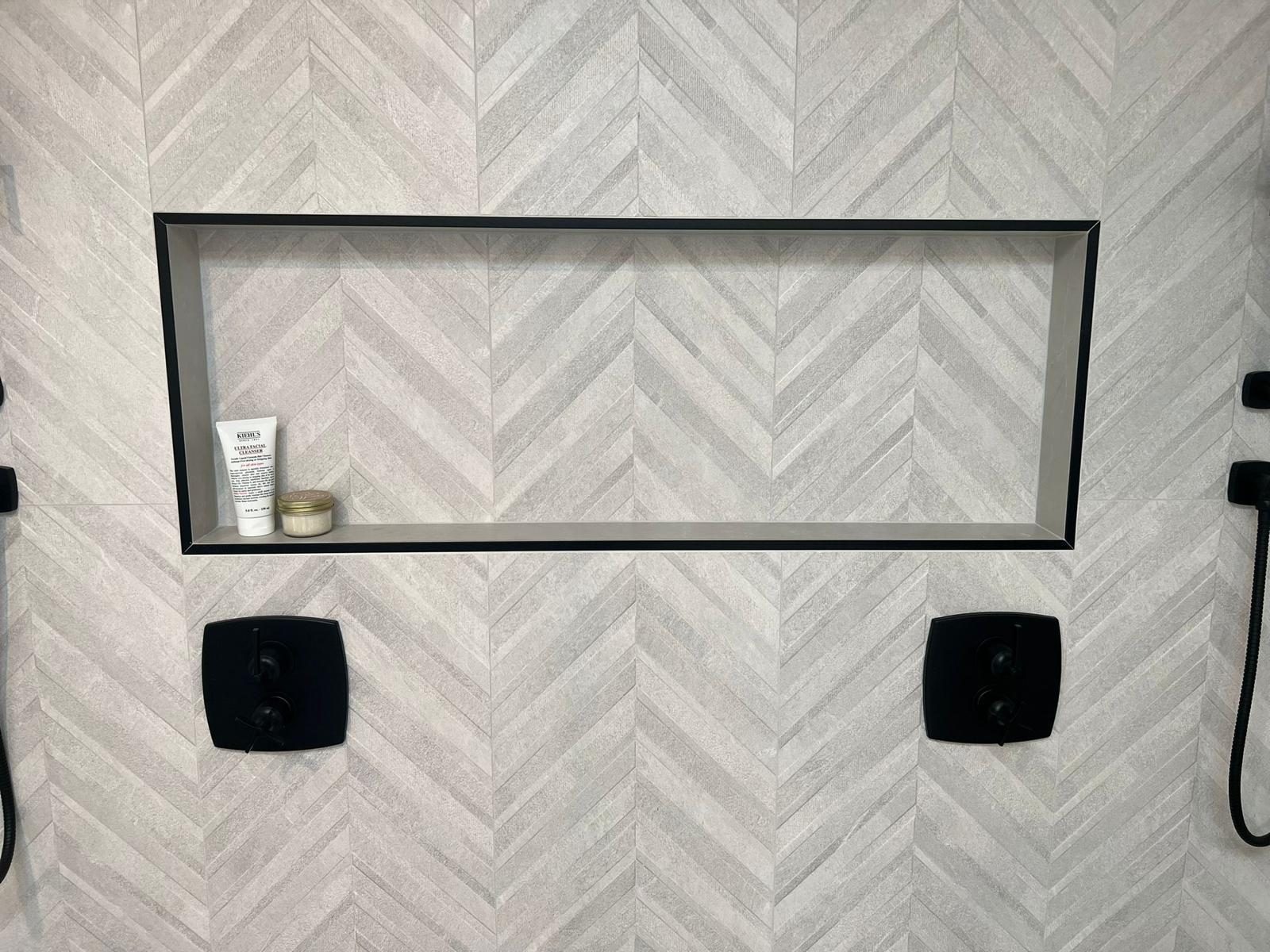
Whether you are updating a backsplash, replacing a bathroom floor or planning a shower, start with the existing surface and the room's conditions. A dry kitchen wall and a shower floor need different installation details. Our tile installation service in Austin is the supporting service page for discussing your project with Brightline Remodeling.
This guide explains how preparation, layout and setting work together, what drives installation costs without quoting dollar figures, and which questions help you compare installers. Make the surface, material and finishing decisions before setting a construction start date.
Table of Contents
- 1. Choose Tile for the Room, Not Just the Sample Board
- 2. Evaluate and Prepare the Surface Before Installation
- 3. How Tile Installation Works, Step by Step
- 4. What Drives Tile Installation Costs in Austin?
- 5. Plan the Timeline and Prepare Your Home
- 6. Choose an Installer and Understand Ongoing Care
- 7. Frequently Asked Questions
Choose Tile for the Room, Not Just the Sample Board
Ceramic and porcelain are common kitchen and bathroom choices, but not every product suits every surface. Check whether the selected tile is intended for a wall or floor, whether it is appropriate for wet areas, and what the manufacturer says about traction and cleaning. Porcelain is generally dense and has low water absorption; the product's actual rating still matters more than its label.
Natural stone brings variation, along with material-specific care and potential sealing requirements. Glass can work on a backsplash or accent wall, with attention to compatible setting materials and visible adhesive behind translucent pieces. Large-format tile needs a suitably flat base, while mosaics create more grout joints. Bring samples into the room and look at them in its everyday light before approving the layout.
If tile is one part of a kitchen remodeling project, coordinate it with counters, cabinet placement and appliance clearances. That prevents a backsplash or floor transition from becoming an afterthought.
Evaluate and Prepare the Surface Before Installation
An installer should assess what is underneath the existing finish, including flatness, movement, moisture concerns and the condition of the supporting surface. Cracked grout or loose tile can point to problems that new tile alone will not solve. Ask what can be assessed during the visit and what may remain unknown until the old material is removed.
Preparation may involve removing old tile, repairing the base, flattening uneven areas or adding an appropriate underlayment. Showers and other wet installations need a compatible waterproofing approach; tile and grout are not a substitute for that system. Transitions, movement joints and drainage details should be planned before tile is set. Concealed moisture or damaged material needs attention first, rather than being covered over.
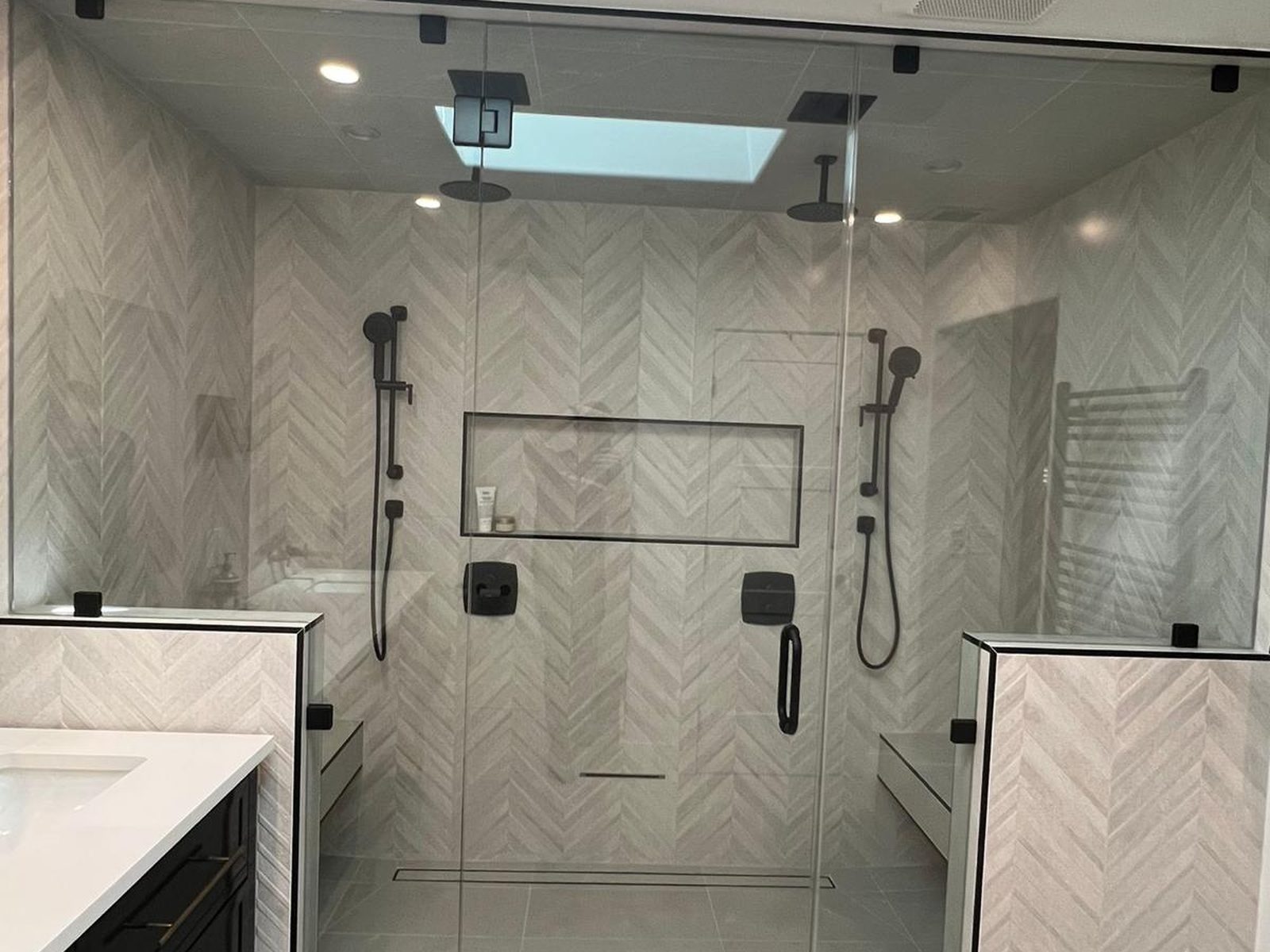
How Tile Installation Works, Step by Step
First, confirm the scope and selected materials, protect adjacent finishes and remove what the agreement includes. Next, prepare the base and complete any required wet-area details. The installer then lays out the tile pattern, checking focal points, cuts at edges, fixture locations and transitions. A dry layout can reveal awkward narrow pieces before adhesive is mixed.
Tile is set with compatible materials and the coverage appropriate to the application. Cuts are fitted around corners, outlets and fixtures, and alignment is checked as work proceeds. After the setting material has cured as required, the installer applies grout and appropriate flexible joints, cleans the surface and addresses sealing if the selected materials call for it. The final walkthrough should cover finish details and when the surface can be used.
What Drives Tile Installation Costs in Austin?
Square footage is only one part of the scope. Tile material, size, pattern, demolition, base repairs, waterproofing, stairs or tight access, and the number of cuts all affect the work. A small backsplash with outlets and detailed edges can take considerable fitting, while an open floor has different challenges. Disposal and finishing transitions also belong in the written proposal.
Compare proposals using the same tile, layout and preparation assumptions. Ask whether setting materials, grout, trim, sealing where needed and cleanup are included, and how hidden damage would be documented and approved. Avoid treating a verbal estimate as a complete scope. Clear exclusions and a written change process help you understand the project without relying on a generic price range.
Plan the Timeline and Prepare Your Home
Installation duration depends on the surface area, preparation, pattern and curing instructions. Removing an old floor or repairing the base adds steps; a wet-area project may also involve waterproofing checks and coordination with other trades. Ask for a sequence that separates working time from waiting time, and confirm when walking, cleaning or shower use is allowed.
Before the crew arrives, remove personal items, clear an agreed access path and arrange where materials can be stored. Confirm who moves appliances or fixtures, how dust and debris will be managed, and which room will be unavailable. Keep children and pets away from the work area. For a bathroom remodeling project, plan around toilet, sink and shower access rather than assuming every fixture stays usable.
Choose an Installer and Understand Ongoing Care
Ask an Austin tile installer to explain the proposed base preparation, wet-area system where relevant, layout decisions and material compatibility. Request examples of comparable work and a written scope. Useful answers describe how your room will be handled, rather than promising that every installation is the same. Clarify who communicates changes and what the completion walkthrough includes.
After installation, follow the tile, grout and setting-material manufacturers' care instructions. Use suitable cleaners, avoid abrasive tools that can harm the finish, and ask whether your stone or grout needs periodic sealing. Investigate loose pieces, recurring cracks or persistent dampness instead of repeatedly covering the symptoms. Keep product information so later cleaning and repairs use compatible materials.
Frequently Asked Questions
How much does tile installation cost in Austin, and what drives the price?
+
The scope determines cost: surface area, tile selection, demolition, base condition, waterproofing, pattern complexity, cuts and finishing details. Request a written proposal after the room is assessed, with preparation and exclusions clearly identified.
How long does tile installation take?
+
Timing depends on preparation, the area and pattern, other trades and required curing periods. Ask for the work sequence and separate dates for completion and safe use; a finished-looking surface may still need curing time.
Which tile materials suit kitchens and bathrooms?
+
Ceramic and porcelain are common options when rated for the intended use. Stone requires material-specific care, and glass is often used on walls. Confirm wet-area suitability, floor traction and maintenance needs for the exact product.
What preparation is needed before tile installers arrive?
+
Clear belongings and access paths, plan around unavailable rooms, and agree who moves fixtures or appliances. The installer should assess and prepare the base and specify waterproofing where needed before setting tile.
How do I choose a tile installer in Austin?
+
Compare relevant work examples and written proposals. Ask how each installer handles preparation, layout, wet-area details, curing and changes. Choose based on a clear, room-specific plan rather than an unexplained total alone.
Request a Tile Installation Consultation in Austin
Tell Brightline Remodeling which room you want to update, what surface is there now and which tile you are considering. Request a consultation through our contact page to discuss preparation, layout and the installation scope for your Austin home.
Explore More
Browse our remodeling services, see recent work in our gallery, read more on the blog, or contact us to discuss your project.
Services
About the Author
Brightline Remodeling
Brightline is a design-build remodeling firm serving Austin, Texas — from Northwest Hills and Highland Park West to South Austin, Westgate, and Garrison Park. Our team writes from active project experience, not theory.
Ready to start?
Get a free estimate from Brightline.
Tell us about your Austin project and we'll be in touch within one business day.